How to Choose a Billboard Location in Nairobi
The board you choose matters more than the design on it. A practical checklist for picking a billboard site in Nairobi: audience, corridor, direction, dwell time, visibility and clutter.
Choosing the right billboard location Nairobi advertisers can rely on is the biggest factor in how well a campaign performs, so compare sites before you commit.
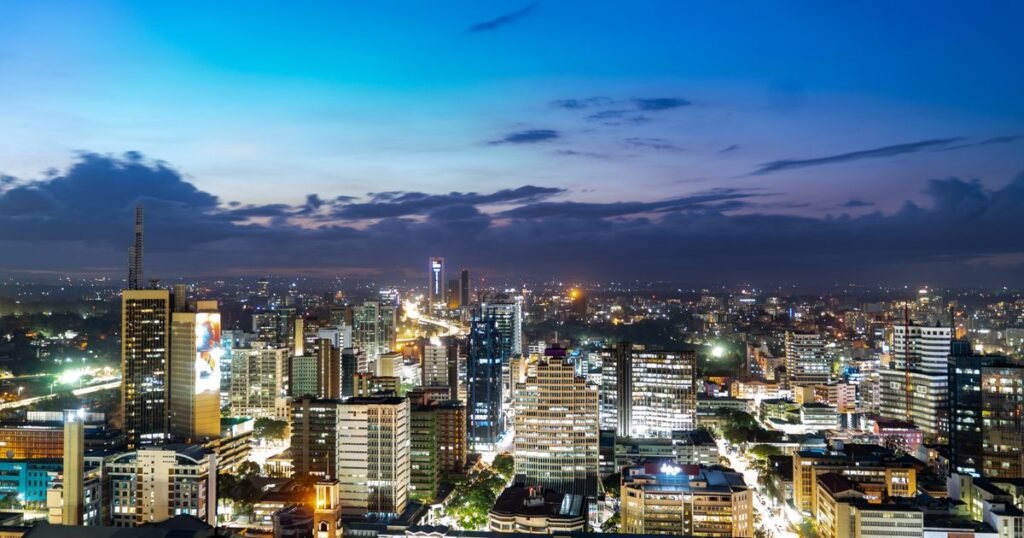
Two billboards with the same size and the same monthly rate can deliver completely different results. The difference is almost always the location: who passes it, how fast, in which direction, and what else is competing for their attention. Here is the checklist we use when shortlisting sites for a campaign in Nairobi.
1. Start with the audience, not the board
Write down who you need to reach and where they spend time. A school fees campaign wants parents on the school run; a betting brand wants young men at matatu stages; a premium car dealer wants car owners in Karen, Kiambu Road or Westlands. Once you know the people, the roads follow.
As a rough guide to Nairobi's corridors:
- The CBD reaches pedestrians, matatu passengers and office workers at walking pace.
- Thika Road and Mombasa Road carry very heavy commuter and through-traffic.
- Karen and Langata Road, Kiambu Road and Waiyaki Way reach car-owning households.
- Ruaka and Kangemi reach dense, younger residential populations.
2. Check the direction it faces
A board facing inbound traffic is seen on the morning commute; one facing outbound traffic is seen on the way home. Morning audiences are rushed and heading to work. Evening audiences are more likely to stop at a mall or supermarket. Every listing on this site states which way the board faces, for example "towards CBD" or "towards Kiambu Town". If you only buy one face, make sure it is the right one.
3. Look for dwell time
The longer people spend in front of a board, the more they can take in. The best Nairobi sites sit where traffic slows: roundabouts, junctions, traffic lights, mall entrances, bus parks and stretches that jam at peak hours. A board on a fast, free-flowing highway section gets a glance; a board at a congested junction gets read.
4. Confirm what people can actually see
Before you commit, check the sightline. Ask for photos taken from the driver's position, not just a close-up of the structure. Things to look for:
- Approach distance: how many seconds of clear view the board gets before drivers pass it.
- Angle: boards facing traffic head-on are easier to read than ones set parallel to the road.
- Obstructions: trees, footbridges, other signs and new buildings can block a board that looked clear when it was built.
- Height: very high boards can be hard to see from inside a car or matatu.
5. Count the clutter
Some Nairobi junctions have a dozen boards competing for the same eyes. A slightly cheaper site on its own often outperforms a prestige location buried in a wall of adverts. Look at what is beside and behind the board, and whether a competitor is likely to sit next to you.
6. Think about light
In Nairobi it is dark by around 7pm all year, and much of the evening commute happens after sunset. Ask whether the board is lit. An unlit board loses a large share of its evening audience; a lit or digital board keeps working.
7. Get close to the point of sale
If you sell something people buy on impulse or nearby, a board within sight of the shop, mall or stage where they can act on it is worth more than a bigger board far away. Many of the strongest sites in this directory sit at the entrance to a supermarket or mall for exactly this reason.
8. Decide between reach and frequency
Several boards on one corridor build frequency: the same people see your message twice a day for a month. Boards spread across the city build reach: more different people see it once or twice. Launches usually want reach; ongoing brands often want frequency on the corridors their customers use.
9. Compare like with like
When you shortlist, compare the same fields for every site: size, direction, lighting, audience estimate and monthly rate. This directory shows them in the same format for every listing so you can weigh a board on Waiyaki Way against one on Mombasa Road side by side. Save the ones you like to your shortlist and send one enquiry for all of them.
A quick site-visit checklist
- Drive past it at the time of day your audience does, in their direction.
- Count the seconds of clear view.
- Note what else is in the frame.
- Check that the structure is in good condition and lit if you need nights.
- Ask the media owner to confirm the board's permits are current (see our guide to billboard regulations).
Picking a billboard location Nairobi buyers can trust
A strong billboard location Nairobi campaigns depend on combines heavy traffic, a clear line of sight and enough dwell time to read the message. Visit the site at the hours your audience passes, check what stands nearby, and confirm the permit status before you pay. For background on the wider industry, see this overview of out-of-home advertising.
Frequently asked questions
How do I compare two billboard sites?
Look at traffic direction, vehicle speed, the distance from which the board is readable and the monthly cost. A slightly dearer site that is easier to read often performs better.
Can I visit a site before booking?
Yes. We recommend viewing the board at the time of day your audience travels, and each listing shows the exact location.
This guide is general information, not legal or financial advice. Rates and rules change; we confirm the current position for your specific sites before you book.